If your skin suddenly feels tight, stings when you apply products, or looks red and irritated for no obvious reason, the problem is almost certainly your skin barrier. The good news: barrier damage is reversible. The bad news: most advice online oversimplifies the repair process or pushes products that make things worse.
This guide walks through exactly how to repair a damaged skin barrier on your face, step by step, using the same principles that dermatologists and cosmetic chemists rely on. No guesswork, no filler advice.
What Is the Skin Barrier and Why Does It Break Down?
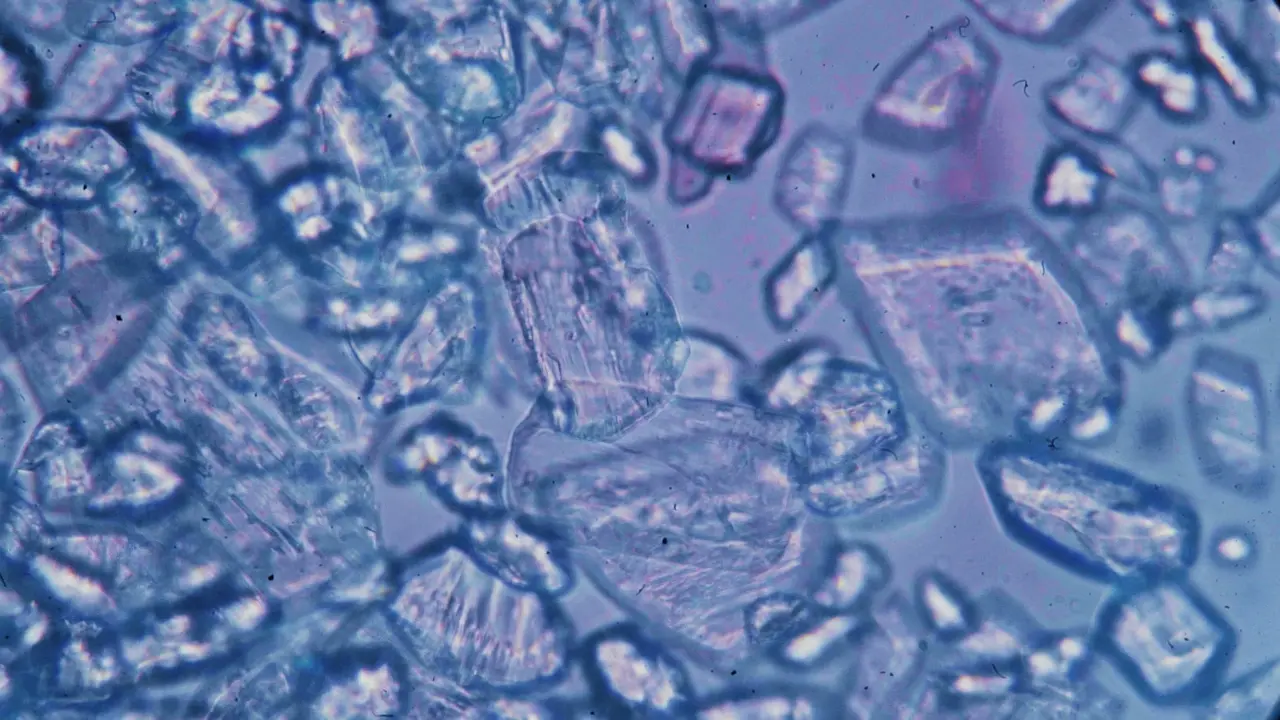
Your skin barrier (the stratum corneum) is the outermost layer of your epidermis. Think of it as a brick wall: skin cells are the bricks, and a precise mix of ceramides, fatty acids, and cholesterol form the mortar holding them together.
When this mortar degrades, water escapes (transepidermal water loss, or TEWL increases) and external irritants can penetrate. The result is a damaged skin barrier that manifests as dryness, sensitivity, redness, breakouts, and premature ageing.
Common causes include over-exfoliation, harsh cleansers, retinoid overuse, environmental stress (UV, pollution, cold weather), and fragrance in skincare products. Understanding the cause helps you avoid repeating the damage once you’ve repaired it.
How Long Does It Take to Repair Your Skin Barrier?
The honest answer: it depends on the severity. For mild barrier compromise (slight tightness, occasional stinging), you can see noticeable improvement within 1–2 weeks of consistent care. For moderate to severe damage (persistent redness, flaking, reactive skin), full repair typically takes 4–8 weeks.
Research published in the Journal of Investigative Dermatology shows that the stratum corneum renews on a roughly 28-day cycle. But barrier lipid restoration, the ceramides and fatty acids that actually hold everything together, can begin within days when the right ingredients are applied consistently.
The key is consistency and patience. Switching products every few days or layering too many actives during recovery will slow the process significantly.
Step 1: Strip Back Your Routine
The most important first step in skin barrier repair is removing everything that could be making things worse. This means temporarily stopping:
- Chemical exfoliants (AHAs, BHAs, PHAs)
- Retinoids and retinol
- Vitamin C at high concentrations
- Physical scrubs and exfoliating tools
- Any product that stings, burns, or causes redness on application
Your temporary routine during repair should be simple: a gentle cleanser, a barrier-repair serum or moisturiser, and SPF in the morning. That’s it. Resist the urge to add more. A minimal routine gives your skin space to heal.
Step 2: Choose the Right Barrier Repair Ingredients
Not all moisturisers repair the barrier. Many simply sit on top and provide temporary hydration. For actual skin barrier repair, you need ingredients that mimic or replenish the skin’s own lipid structure. The five ingredients with the strongest evidence are:
1. Ceramides
Ceramides make up roughly 50% of the skin barrier’s lipid matrix. A triple ceramide complex (NP, AP, EOP) most closely mirrors your skin’s natural composition. Research in the Journal of Clinical and Aesthetic Dermatology shows that topical ceramides significantly reduce TEWL and improve barrier function within 4 weeks. The concentration matters: look for products that disclose their ceramide percentages.
2. Ectoin
Ectoin is a natural extremolyte that provides deep cellular protection. It stabilises cell membranes and prevents inflammation triggered by UV, pollution, and blue light. For barrier repair, ectoin is valuable because it protects the cells underneath while the lipid barrier rebuilds on top. Clinical studies show it reduces UV-induced skin damage by up to 80%.
3. Hyaluronic Acid (Sodium Hyaluronate)
Hyaluronic acid draws and holds up to 1,000x its weight in water. Low molecular weight forms penetrate deeper, while higher molecular weight forms create a hydrating film on the surface. Both are beneficial during barrier repair as they maintain hydration without irritation.
4. Peptides
Peptides signal your skin to produce more collagen, elastin, and other structural proteins. During barrier repair, this accelerates the rebuilding process. A multi-peptide matrix is more effective than a single peptide, as different peptides target different aspects of skin repair.
5. Fatty Acids and Cholesterol
Research by Elias and colleagues demonstrates that the optimal barrier repair ratio is approximately 3:1:1 (ceramides:cholesterol:fatty acids). Products that include all three in physiological ratios restore barrier function faster than those containing any single ingredient alone.
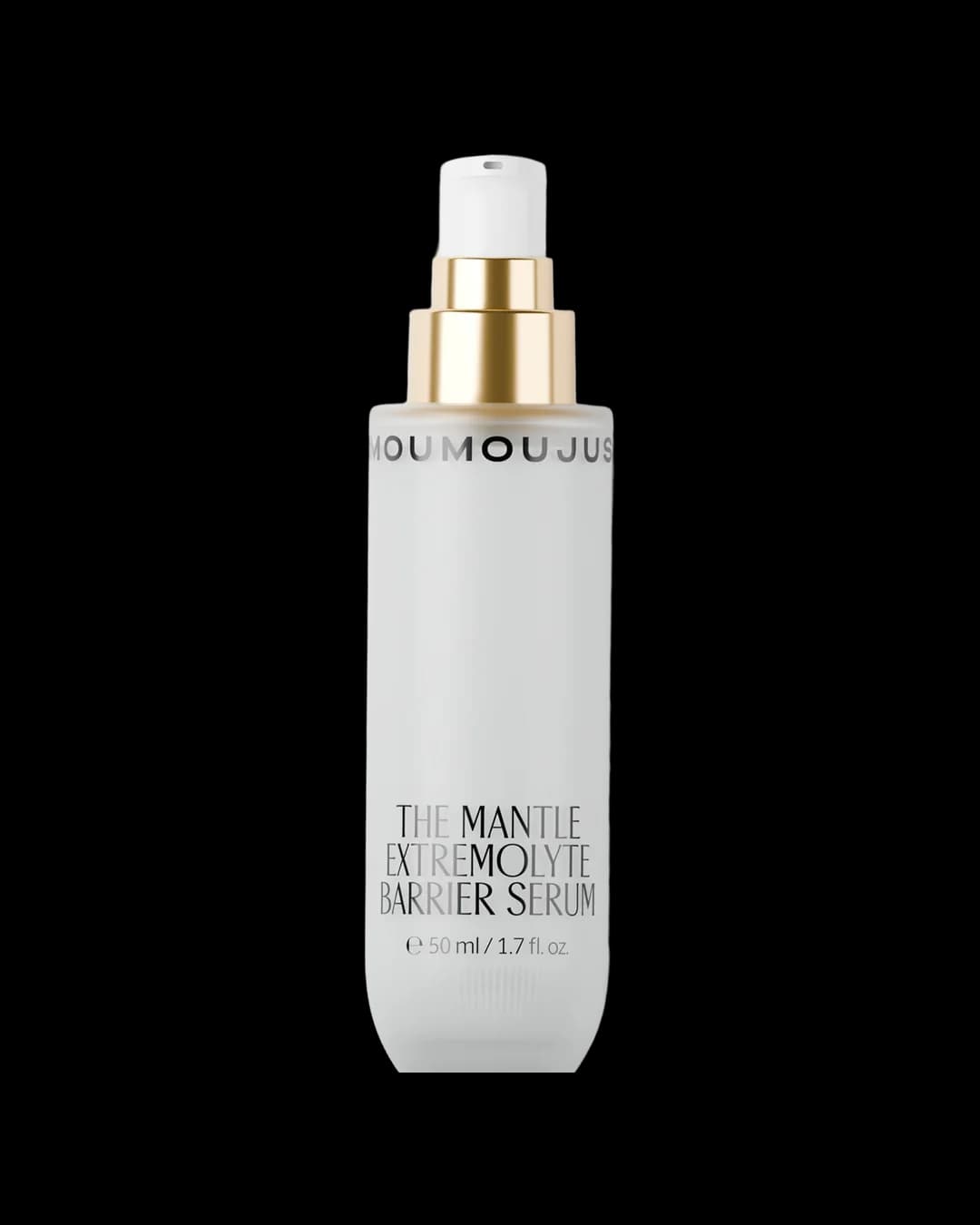
The Mantle — Skin Barrier Repair in One Step
A barrier serum with all five barrier-repair ingredients: triple ceramide complex (3%), ectoin (1.5%), sodium hyaluronate, a multi-peptide matrix, and essential fatty acids. Key doses published. Fragrance-free, vegan, made in the UK.
Shop The Mantle →Step 3: Apply Products in the Right Order
During barrier repair, simplicity is key. Here’s the correct order:
- Gentle cleanser — Use a non-foaming, pH-balanced cleanser (pH 4.5–5.5). Avoid anything with SLS, SLES, or strong surfactants. Micellar water or a cream cleanser is ideal during repair.
- Barrier repair serum or moisturiser — Apply to damp skin to lock in hydration. Look for ceramides, ectoin, peptides, and hyaluronic acid. Use morning and evening.
- SPF (morning only) — A damaged barrier is more vulnerable to UV. Use a mineral or hybrid sunscreen rated SPF 30+. Reapply every 2 hours if outdoors.
That’s the entire routine during active repair. Once your barrier has recovered (typically 4–8 weeks), you can slowly reintroduce actives one at a time, starting with the gentlest options.
Step 4: Support Repair from the Inside
Topical care is essential, but internal factors matter too. During barrier repair:
- Stay hydrated — Dehydration directly impacts skin barrier function.
- Eat essential fatty acids— Omega-3s (salmon, flaxseed, walnuts) support lipid production in the skin.
- Manage stress — Cortisol degrades ceramide production. Chronic stress is a proven barrier disruptor.
- Sleep — Skin repair peaks during deep sleep. Aim for 7–9 hours.
How to Repair Your Skin Barrier on Your Face
The skin on your face is thinner than the rest of your body, more exposed to UV and pollution, and more reactive to product changes. Barrier repair on the face needs a lighter touch than the same repair on hands or body.
The core routine stays the same: gentle cleanser, barrier repair serum or moisturiser, SPF. But on facial skin, four specifics matter more:
- Use a serum texture, not a balm. Heavy occlusives like petrolatum or thick butters can clog facial pores and trigger breakouts during recovery. A water-light ceramide serum penetrates faster and layers cleanly under SPF.
- Avoid the eye area for the first week. Periocular skin is thinnest and most prone to irritation. Let the rest of the face settle before reintroducing any actives near the eyes.
- Double-down on SPF. UV damage directly degrades ceramides and slows barrier repair. Use SPF 30+ daily, reapply every 2 hours if outdoors, and favour mineral or hybrid sunscreens during active repair.
- Skip makeup where possible. Long-wear and matte formulas in particular contain alcohols and silicones that can interfere with barrier recovery. If you wear makeup, stick to lightweight tinted SPF or skin tints for the first 2 weeks.
Expect facial barrier repair to take slightly longer than body repair — typically 3–6 weeks for visible recovery, versus 2–4 weeks on less exposed skin. Consistency matters more than product count.
How to Repair Your Skin Barrier Naturally
“Natural” barrier repair doesn’t mean avoiding skincare products entirely. Your skin can partially repair itself, but the process is significantly slower without topical support. The most natural approach to barrier repair is using ingredients that mirror what your skin already produces:
- Ceramides NP, AP, and EOP— mirror your skin’s own barrier lipids
- Squalane — a bioidentical form of squalene, naturally present in sebum
- Ectoin — naturally produced by extremophile bacteria, it protects cells the same way in your skin
- Plant-derived fatty acids— from sources like sunflower seed oil and shea butter
The key distinction is between “natural” ingredients and effective concentrations. An ingredient can be naturally derived but present at a level too low to create meaningful change. Look for products that disclose their active concentrations, not just their ingredient lists.
Common Mistakes That Slow Barrier Repair
- Continuing to exfoliate— even “gentle” exfoliants remove the very cells your barrier needs to rebuild.
- Switching products constantly— give one routine at least 2–4 weeks before changing. Barrier repair is a marathon, not a sprint.
- Using hot water on your face— hot water strips barrier lipids. Use lukewarm water only.
- Applying too many products— more layers doesn’t mean more repair. A single well-formulated product can do more than five mediocre ones.
- Skipping SPF — UV radiation actively degrades ceramides and triggers inflammation. SPF is non-negotiable during repair.
- Using fragranced products— fragrance is one of the most common irritants and should be avoided entirely during barrier recovery.
How to Know Your Skin Barrier Is Repaired
Your barrier is healing when:
- Products no longer sting or cause redness on application
- Skin feels comfortable without constant moisturising
- Dryness and flaking have resolved
- Skin tone looks more even and less reactive
- Breakouts have reduced or stopped
Once you reach this point, you can slowly reintroduce active ingredients. Start with the mildest options (niacinamide, low-dose retinol) and add one new product every 2 weeks, monitoring for any return of irritation.
The Bottom Line
Repairing a damaged skin barrier isn’t complicated, but it requires patience and the right ingredients. Strip your routine back, use a ceramide-based barrier repair serum with ectoin and peptides, protect with SPF, and give your skin the time it needs. Most people see real improvement within 2–4 weeks and full recovery within 8 weeks.
The biggest mistake is impatience. The second biggest is using products that claim to repair but don’t contain the ingredients at the concentrations needed to do so. Choose transparency over marketing.
Repair your barrier with The Mantle
A 3% ceramide complex, 1.5% ectoin, 2% peptide and exosomes in a single fragrance-free barrier serum, with the key doses published. Designed for damaged, sensitive and reactive skin.
Shop The Mantle →References: Elias PM (2005). Stratum corneum defensive functions: an integrated view. Journal of Investigative Dermatology, 125(2), 183-200. · Chamlin SL et al. (2002). Ceramide-dominant barrier repair lipids alleviate childhood atopic dermatitis. Journal of the American Academy of Dermatology, 47(2), 198-208. · Imokawa G (2009). A possible mechanism underlying the ceramide deficiency in atopic dermatitis. Journal of Dermatological Science, 55(1), 1-9. · Heinrich U et al. (2007). In vivo assessment of ectoin: a randomised, vehicle-controlled clinical trial. Skin Pharmacology and Physiology, 20(4), 211-218.
Disclosure: This article is published by Moumoujus. Our product, The Mantle, is referenced in this piece. We have aimed to present the research accurately and encourage independent verification of all claims.