You’ve invested in good skincare. You’ve done the research, read the reviews, chosen products with proven actives at real concentrations. But if you’re applying them in the wrong order, you could be undermining everything you’ve paid for.
The skincare order matters because each product is formulated with a specific molecular weight and delivery system. Apply a heavy cream before a lightweight serum and the serum can’t penetrate. Layer an oil before a water-based treatment and you’ve created a barrier that blocks absorption. The science is straightforward, but the number of people getting it wrong is staggering.
The golden rule of skincare layering: thinnest to thickest, water-based before oil-based, actives before occlusives.
Why Skincare Order Actually Matters
Your skin isn’t a sponge. It’s a barrier. The stratum corneum, the outermost layer of skin, is designed to keep things out. Every skincare product has to work against this natural defence to deliver its active ingredients where they’re needed.
The sequence in which you apply products determines which ingredients reach the skin first and which get blocked. Lighter, water-based formulations with smaller molecules need to go on first because they can penetrate the skin’s surface. Heavier, oil-based products go on later because they sit on top and form a protective seal.
of a product’s efficacy can be lost when applied in the wrong order, according to dermatological research on transepidermal delivery. The active ingredients are still there, but they never reach the cells that need them.
Getting the order right also prevents unwanted interactions. Certain actives, like vitamin C and niacinamide or retinol and AHAs, can destabilise or irritate when layered incorrectly. A considered routine isn’t just about efficacy; it’s about safety.
Your Morning Skincare Order (6 Steps)
The morning routine is about protection. You’re preparing your skin to face UV exposure, pollution, and environmental stress. Every product in this sequence is chosen to defend and hydrate without heaviness.
Step 1: Gentle Cleanser
A mild, pH-balanced cleanser removes overnight sebum and any residue from your evening products. You don’t need anything aggressive. A simple gel or cream cleanser at pH 5.0-5.5 will do. The goal is a clean canvas, not a stripped one.
Step 2: Toner or Essence
Hydrating toners (not astringent ones) rebalance the skin’s pH after cleansing and add a first layer of hydration. Look for ingredients like hyaluronic acid, glycerin, or centella asiatica. Apply to damp skin for better absorption.
Step 3: Serum
This is where your targeted actives go. Vitamin C in the morning is the classic choice because it provides antioxidant protection against free radical damage from UV and pollution. Niacinamide is another strong morning option for oil control and barrier support. Apply to face and neck, giving it 30-60 seconds to absorb before the next step.
Step 4: Eye Cream
The perennial question: eye cream before or after moisturiser? The answer is before. Eye creams are formulated with smaller molecular structures designed for the thinner, more delicate skin around the eye area. Applying them before your moisturiser ensures they penetrate without being blocked by heavier formulations.
Step 5: Moisturiser
Your moisturiser is the last skincare step before sunscreen. It seals in everything you’ve applied, reinforces the skin barrier, and provides sustained hydration throughout the day. This is where a well-formulated barrier repair moisturiser does its best work, locking in serums and actives while delivering its own ceramides, peptides, and humectants to the skin.
Serum or moisturizer first? Always serum. Serums have smaller molecules that need direct skin contact. Moisturisers seal them in.
Step 6: SPF
Non-negotiable, every single day. SPF is the final step because it needs to sit on the skin’s surface to form a protective film. Apply generously; most people use about half as much as they need. Wait two to three minutes before applying makeup to let it set properly.
Your Night Skincare Order (6 Steps)
The evening routine is about repair. While you sleep, your skin’s cellular turnover increases, blood flow to the skin rises, and the barrier becomes more permeable. This is the time for your most potent actives and your richest hydration.
Step 1: Oil Cleanser or Micellar Water (First Cleanse)
If you wear SPF (you should), makeup, or live in a city, you need a first cleanse to dissolve oil-based impurities. An oil cleanser or balm breaks down sunscreen, sebum, and pollution particles that a water-based cleanser alone can’t.
Step 2: Water-Based Cleanser (Second Cleanse)
Follow with a gentle water-based cleanser to remove any remaining residue and ensure a perfectly clean base for your treatment products. This double-cleanse method is the single most effective change most people can make to their skincare routine.
Step 3: Exfoliant or Treatment (2-3 times per week)
Chemical exfoliants (AHAs like glycolic acid for surface renewal, BHAs like salicylic acid for pore congestion) go on clean, bare skin for maximum penetration. This step isn’t nightly; two to three times per week is sufficient for most skin types. On exfoliation nights, you may choose to skip your serum to avoid over-treating.
Step 4: Serum or Treatment
Retinol, peptides, or hydrating serums go here. If you’re using retinol, start with a low concentration (0.3-0.5%) and build tolerance over weeks. On non-retinol nights, hydrating serums with hyaluronic acid or peptide complexes support overnight repair.
Step 5: Eye Cream
Same principle as morning: apply before your moisturiser. Nighttime eye creams can be slightly richer since you don’t need to worry about makeup application or sunscreen layering over the top.
Step 6: Moisturiser (The Final Seal)
Your nighttime moisturiser is the final step. It locks in every active you’ve applied, prevents transepidermal water loss while you sleep, and delivers its own actives over the course of the night. A ceramide-rich barrier repair moisturiser is particularly effective here because overnight is when the skin’s barrier repair processes are most active, so providing the building blocks (ceramides, cholesterol, fatty acids) at this point gives your skin exactly what it needs, when it needs it.
of the skin’s barrier repair occurs during sleep, according to circadian rhythm research in dermatology. Your nighttime moisturiser isn’t just hydration. It’s active repair.
Common Skincare Layering Mistakes
Even with the best products, these errors can undermine your entire routine:
Applying oil before water-based products. Facial oils create an occlusive layer. Anything applied after an oil will sit on top of it rather than absorbing into the skin. If you use a facial oil, it goes after your moisturiser, or mixed into it.
Using too many actives at once. Vitamin C + retinol + AHA in the same routine is a recipe for irritation, not better results. Alternate your actives: antioxidants in the morning, retinoids at night, exfoliants on separate evenings.
Skipping moisturiser because your skin is oily. Oily skin still needs barrier support. Skipping moisturiser can trigger increased sebum production as the skin compensates for lost hydration. Choose a lightweight, non-comedogenic formula rather than skipping the step entirely.
Not waiting between steps. Each product needs 30-60 seconds to absorb before the next layer goes on. Rushing leads to pilling (that annoying balling-up effect) and reduced penetration of active ingredients.
Applying SPF before moisturiser. Sunscreen is always last. Always. It needs to form an unbroken film on the skin’s surface. Layering moisturiser over SPF disrupts that film and compromises protection.
Where The Mantle Fits In Your Routine
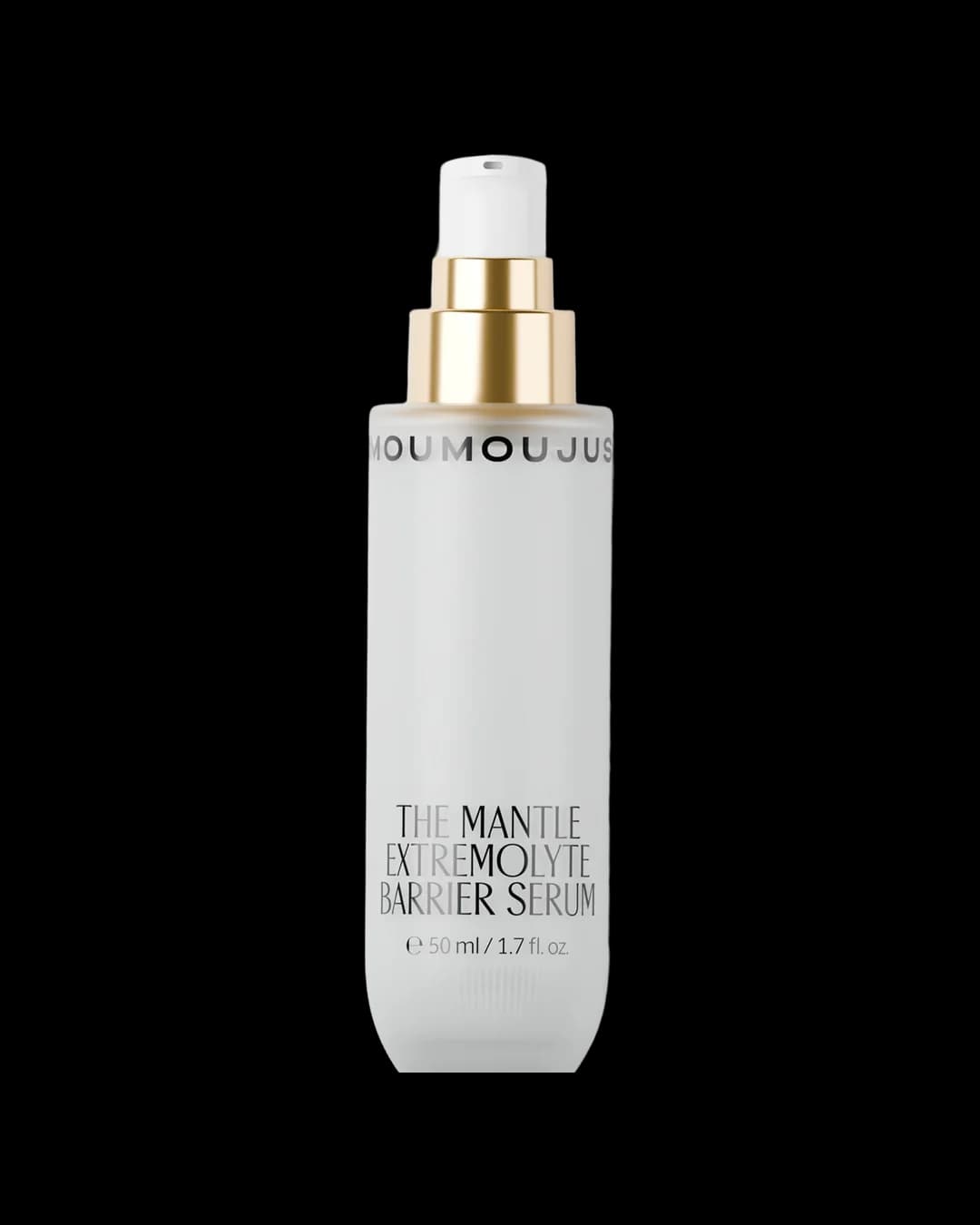
The Mantle Extremolyte Barrier Serum was formulated to be the last skincare step in both your morning and evening routines: the final layer before SPF in the morning, and the final seal at night.
In the morning, it sits at Step 5: after your cleanser, toner, serum, and eye cream, but before SPF. Its ceramide complex (SK-Influx® Evolve MB at 3%), peptides (Matrixyl Morphomics at 2%), and ectoin (1.5%) reinforce the barrier before it faces the day. The formula absorbs cleanly without greasiness, so sunscreen layers smoothly over the top.
At night, The Mantle is your Step 6: the final seal after double cleansing, treatment, serum, and eye cream. This is where its actives, including exosomes, Swiss apple stem cells, and a multi-lamellar ceramide system, work alongside your skin’s natural overnight repair processes. The ceramides, cholesterol, and fatty acids in the formula mirror the skin’s own lipid structure, providing exactly the building blocks your barrier needs to rebuild while you sleep.
A moisturiser isn’t an afterthought. It’s the step that determines whether everything you applied before it actually works.
The correct skincare order isn’t complicated once you understand the logic: thin before thick, water before oil, actives before occlusives, treatment before protection. Follow that framework, be consistent, and give your products the chance to do what they were formulated to do.
Your barrier repair step, sorted.
The Mantle is precision barrier repair with a 3% ceramide complex, 2% peptide and 1.5% ectoin, doses published. The barrier serum your routine has been missing.
Shop The Mantle →