PDRN is a preparation of DNA fragments used in some skincare products. Small human studies of particular topical formulations report promising findings, but they do not establish that every PDRN cream or serum regenerates skin. Research involving injections or microneedling answers different questions from applying a product to skin without a procedure.
If you are considering a PDRN serum, start with two questions: was that finished formula studied, and was it used in the same way? A recognisable ingredient name is a starting point for reading the evidence, rather than a result in itself.
What do PDRN and PN mean?
PDRN stands for polydeoxyribonucleotide. PN means polynucleotide. These terms appear in research on different DNA-derived preparations. Check the actual material, source and formulation in each paper before treating one result as evidence for another product.
The studies below include a salmon-derived preparation, a peony-derived preparation and a product described as a PN serum. They are not a single standard formula. A botanical extract bearing the same plant name is also not automatically the DNA preparation tested by researchers.
Read the delivery method before the result
| Study setting | The question it can address |
|---|---|
| Cream or serum, without a procedure | What happened with that topical formulation in the people and conditions studied? |
| After microneedling | What did adding a preparation to a particular procedure change? |
| Injection | What did an injected preparation do in that clinical setting? |
| Cells or isolated skin | What might happen in a laboratory model? Human product results still need checking. |
Do PDRN creams and serums work?
There is early human research on topical formulations. The useful question is how closely the product you are considering matches the tested material and use. Two original studies illustrate both the promise and the limits.
A specific eye cream, tested for four weeks
Ye and colleagues (2026) enrolled 31 Chinese women aged 35–55 with self-reported sensitive skin. In a randomised, blinded split-face study, they compared a 0.1% PDRN-850K eye cream with an identical-base 0.1% retinol eye cream over 28 days. They reported greater improvements in several eye-area measurements on the PDRN side.
That is evidence about a particular preparation and short-term comparison. There was no base-only arm, and the authors acknowledge that longer studies are needed to distinguish early hydration or plumping from sustained structural change. It does not establish that PDRN products generally outperform retinoids. Several authors list commercial biotechnology affiliations; the paper declares no specific funding and no conflicts of interest.
A peony-derived formulation in ten people
Bak and colleagues (2026 issue; published online in 2025) studied a low-molecular-weight peony-derived preparation in ten healthy Korean participants. An upper-arm test compared formulations with and without it for two weeks after sodium lauryl sulphate had deliberately disrupted the barrier. Water loss fell in both areas, with a larger reduction in the test area. Eye-area elasticity was assessed over four weeks.
The arm comparison and eye-area measurements are different parts of the study: the elasticity assessment did not describe a matching control formulation. Ten people and short follow-up cannot establish a general sensitive-skin or eczema benefit. All authors were company employees; the paper reports no external funding. The preparation studied is not interchangeable with an ordinary peony extract.
What does that mean for a serum?
An eye-cream result cannot tell you how an unrelated serum will perform. Look for human evidence for the finished product, its intended application area and a relevant comparison. The word serum, the PDRN source or a headline percentage cannot supply those missing details.
Nor does a laboratory finding about collagen-related genes establish visible collagen rebuilding in someone using a cosmetic. Keep the laboratory work and the human measurements separate when a paper contains both.
Why the microneedling study is a different question
Yogya and colleagues (2022) enrolled 30 women; 29 completed a split-face trial of radiofrequency microneedling with a topical PN serum on one side and saline on the other. The serum also contained hyaluronic acid and other ingredients. Follow-up continued for six months.
Wrinkle indentation improved earlier on the serum side, but maximum wrinkle depth did not differ significantly between sides at any follow-up. This tests a multi-ingredient addition to a procedure, not PN alone or an everyday serum used without needling. University support, supplied equipment and medication, and industry-paid publication and editing support are disclosed in the paper.
The delivery method is part of the intervention. Choose products for their labelled use and discuss procedure products and aftercare with the treating clinician. A cosmetic serum label is not evidence that it is suitable for injection or use during microneedling.
What can injection studies tell us?
Lee and colleagues (2022; first published online in 2020) studied PN filler injections against non-crosslinked hyaluronic acid injections around the eyes in 27 people. The original abstract reports differences in some instrumental measures, but not in overall aesthetic assessment scores or dermal-density improvement. This is an active-comparator injection trial, not a topical PDRN study.
Separately, Squadrito and colleagues (2014) randomised 216 people with hard-to-heal diabetic foot ulcers to injected PDRN or placebo for eight weeks. The original abstract reports improved ulcer healing. It concerns treatment of a medical wound using injections into muscle and around the wound, not cosmetic care on a face. Neither study establishes that a shop-bought PDRN serum heals wounds or repairs DNA.
We checked those two original abstracts, rather than the full papers, and do not use them to recommend a procedure, dose or treatment.
What should you check before buying?
- The actual formula. Does the research concern the finished product, the raw material or a different preparation?
- The route and setting. Ordinary topical use, procedure aftercare and injections should not be merged into one claim.
- The comparison. Before-and-after change is different from an improvement over a suitable control. Check the number of people and the follow-up period too.
- The outcome. Hydration, an instrument reading, a laboratory pathway and a visible change answer different questions.
- Your requirements. Ask the brand to confirm the material source and complete formula if animal origin, vegan suitability or a known allergy matters to you. The term PDRN alone cannot answer all three.
For a new cosmetic, follow its directions and the American Academy of Dermatology’s guidance on trying skincare on a small area first. That check does not diagnose an allergy or establish suitability after a procedure. Ask a clinician about persistent reactions or procedure aftercare rather than relying on an ingredient trend.
For more on comparing studies, read how to check clinical skincare claims. Our exosome guide explores another case where identifying the material comes before interpreting a claim. The UK ingredient search snapshot explains the search interest behind this guide; popularity is separate from efficacy.
Sources and scope
Selected original studies checked on 20 October 2026. This is an editorial evidence guide, not a systematic review or clinical recommendation. The main papers were checked for Ye, Bak and Yogya; the Lee and Squadrito summaries are limited to their original abstracts. We have not independently audited raw participant data.
- Ye et al. PLOS One, 2026: topical PDRN-850K. Main methods, clinical results and limitations.
- Bak et al. International Journal of Molecular Sciences, 2026: peony-derived PDRN. Main methods, results and disclosures.
- Yogya et al. Dermatology and Therapy, 2022: PN with radiofrequency microneedling. Full paper, comparator and mixed outcomes.
- Lee et al. Journal of Dermatological Treatment, 2022: PN versus hyaluronic acid injections. Original abstract only.
- Squadrito et al. Journal of Clinical Endocrinology & Metabolism, 2014: injected PDRN for diabetic foot ulcers. Original corrected abstract only.
- American Academy of Dermatology: how to test skincare products. General product-use guidance, separate from PDRN efficacy evidence.
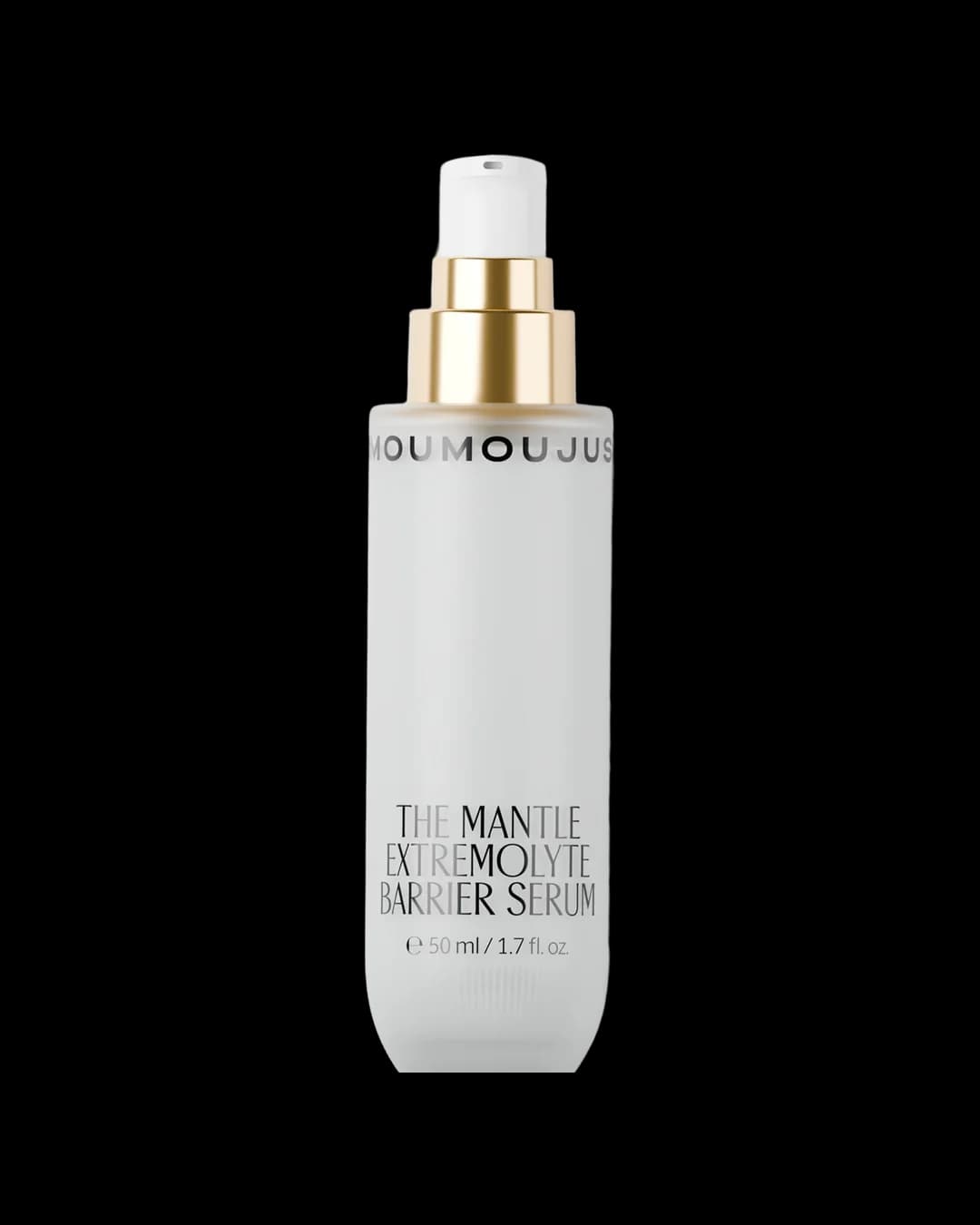
Disclosure: Moumoujus sells The Mantle. It does not contain PDRN and was not tested in these studies. This guide does not establish that it matches or outperforms the preparations discussed. See its full ingredient list.