Every skincare brand wants to tell you about their ingredients. Ceramides. Peptides. Stem cells. The names are on every label, in every Instagram ad, across every product page.
But here’s what almost nobody tells you: how much of those ingredients are actually in the product.
The skincare industry has a dirty secret, and cosmetic chemists have a name for it: ingredient dusting. It’s the practice of adding a trace amount of a premium active ingredient, just enough to legally list it on the label, while using far less than the concentration needed to produce any measurable effect on your skin.
A peptide that works at 2% doesn’t work at 0.1%. But both concentrations let a brand print “contains peptides” on the box.
This isn’t a fringe issue. It is the default business model for most of the skincare industry. Premium active ingredients are expensive. Using them at clinically-referenced concentrations eats into margins. So most brands use a fraction of what the research supports, wrap it in beautiful packaging, and let you assume you’re getting the real thing.
The reason this persists is simple: cosmetic regulations don’t require brands to disclose the percentage of most ingredients. As long as an ingredient is present, it can be claimed. There’s no legal difference between a moisturiser with 3% ceramides and one with 0.05% ceramides. Both can say “formulated with ceramides” on the label.
of top-selling clinical skincare products were found to have starting concentrations of active ingredients below the threshold needed for any measurable efficacy, according to independent lab testing by Exponent Beauty.
So we decided to look at six popular products that claim to repair, protect, or strengthen the skin barrier. We examined their ingredient lists, checked for disclosed concentrations, cross-referenced available data, and assessed how transparent each brand is about what’s actually in the bottle.
Some of what we found will confirm what you suspected. Some of it might surprise you.
Brand 01
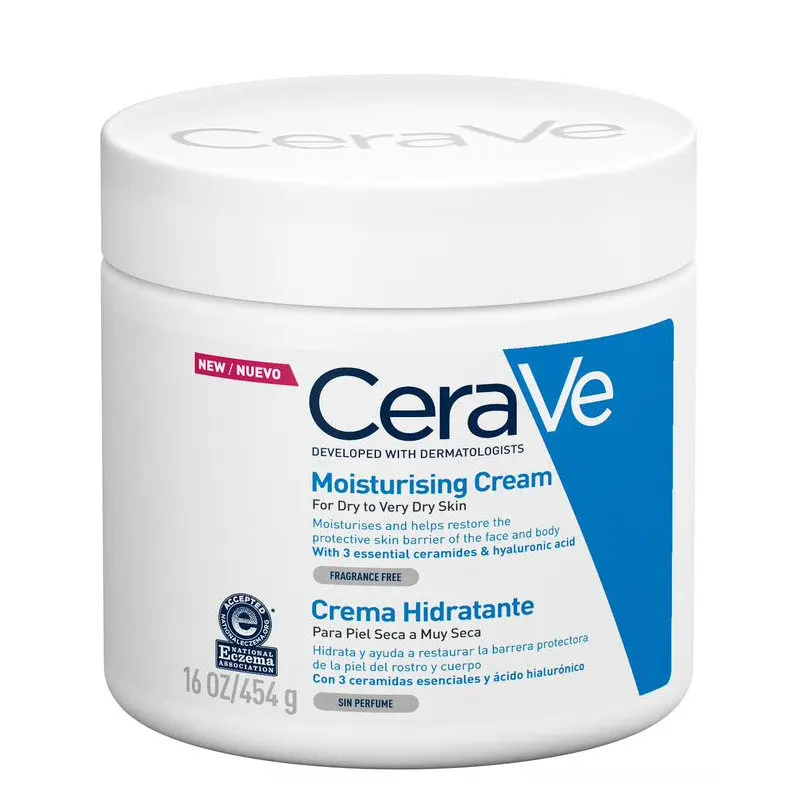
Moisturising Cream
CeraVe is the world’s most recommended moisturiser by dermatologists, and its three essential ceramides (NP, AP, EOP) are central to its marketing. The brand positions itself as science-led and barrier-focused.
But CeraVe has never disclosed the concentration of its ceramides. Third-party analysis by ingredient database WhatsinMyJar estimates each ceramide is present at roughly 0.1–1.6%, with the total ceramide content likely sitting somewhere around 2–3%. That’s not nothing, but it’s considerably less than what you might assume when the entire brand identity is built around ceramides.
The ingredient list reveals that all three ceramides appear below potassium phosphate and above the preservative system, suggesting they sit somewhere in the 1% zone. The brand relies heavily on occlusives like petrolatum and dimethicone for barrier function, with ceramides playing a supporting rather than starring role.
The bottom line: CeraVe is a solid, affordable moisturiser. But the ceramide story is more marketing narrative than clinical reality. You’re mostly paying for petrolatum with a ceramide garnish.
Brand 02
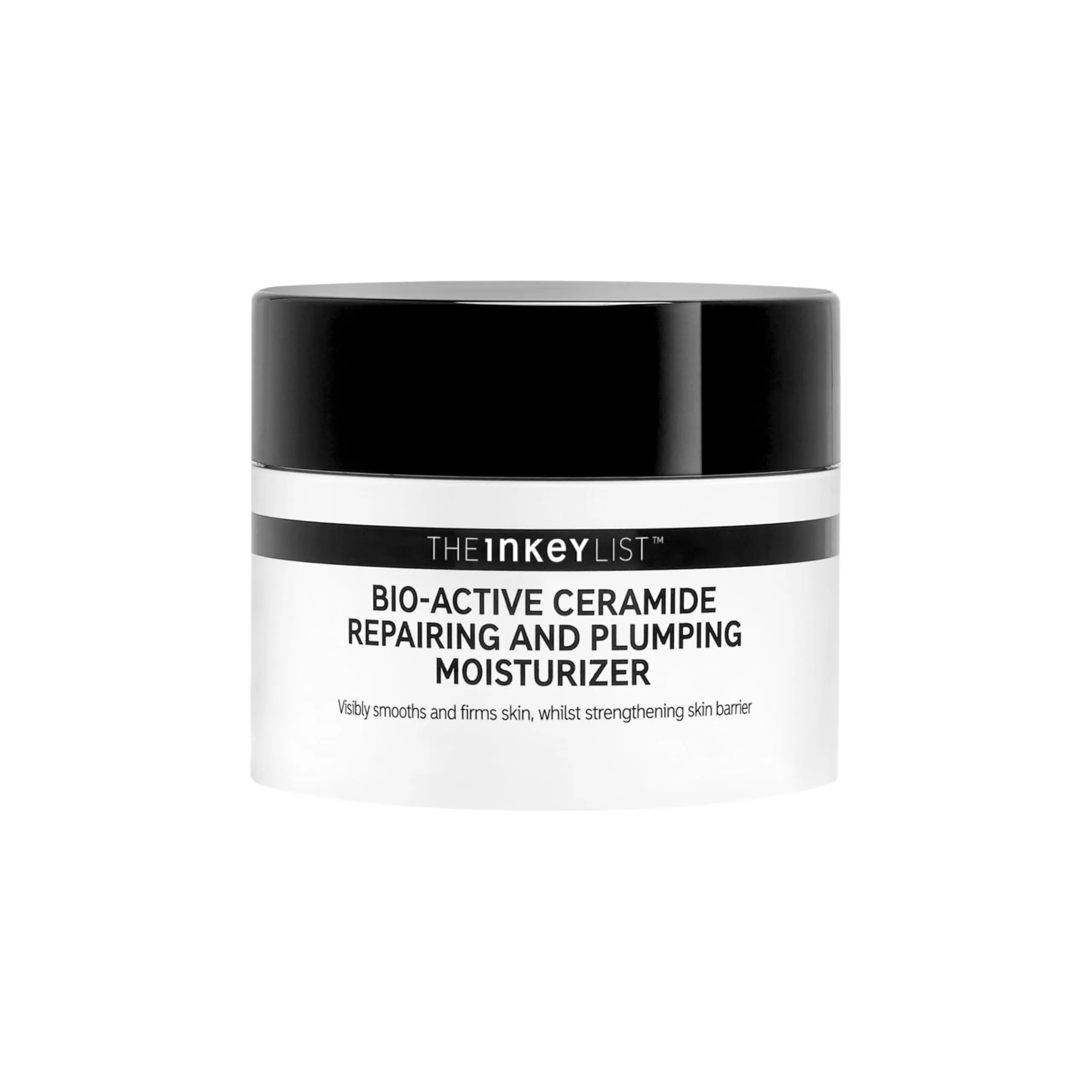
Bio-Active Ceramide Moisturiser
The INKEY List has built its reputation on accessible, ingredient-focused skincare at affordable prices. Their Bio-Active Ceramide Moisturiser claims to target six signs of ageing while strengthening the skin barrier.
Here’s where it gets interesting. Their clinical study footnotes (the fine print most people never read) reveal the product was tested using Ceramide NP at 0.2%. That’s the concentration driving their “clinically proven to strengthen skin barrier” claim.
To put 0.2% in perspective: that’s two parts per thousand. For a 50ml jar, that’s 0.1ml of ceramide, roughly two drops. The clinical results they cite are based on supplier data comparing 0.2% ceramide NP against a placebo (no ceramide at all), not against a product with meaningfully higher ceramide levels.
The bottom line: Credit to The INKEY List for at least burying the number in their footnotes. Most brands don’t even do that. But 0.2% is textbook ingredient dusting. The Gransil Blur in the formula (a silicone that physically fills lines) is likely doing more visible work than the ceramide.
Brand 03
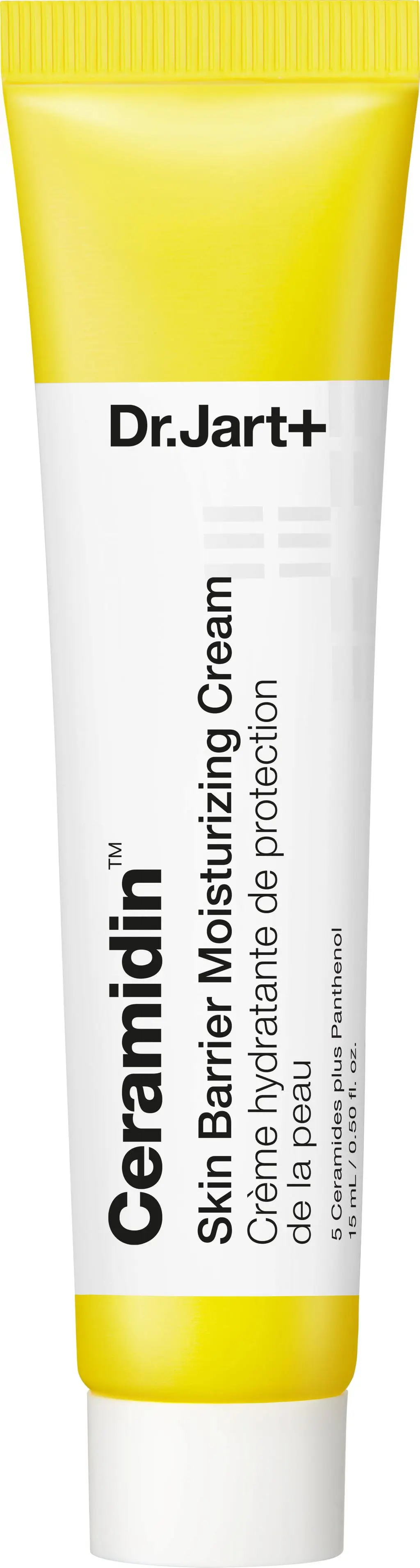
Ceramidin Skin Barrier Moisturizing Cream
Dr. Jart+ Ceramidin is a cult favourite in the K-beauty world, known for its cushiony texture and barrier-repair claims. The brand references five ceramides plus panthenol and clinical results including “100 hours of moisture after one use.”
However, Dr. Jart+ doesn’t disclose the concentration of any of its ceramides. The clinical claims are impressive-sounding but based on consumer testing with 31 women, a small sample. And “100 hours of moisture” is measured instrumentally under controlled conditions, not in real-world use.
Without knowing whether those five ceramides are present at 3% total or 0.3% total, it’s impossible to evaluate the barrier repair claim meaningfully. For a product that costs £38 for 50ml, the lack of transparency is notable.
The bottom line: A nicely formulated moisturiser with a great texture. But the premium pricing and “five ceramides” marketing create an impression of potency that the brand doesn’t substantiate with concentration data.
Brand 04
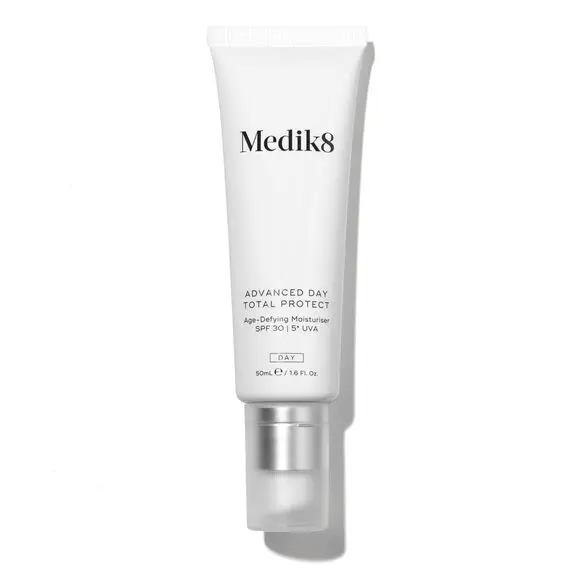
Advanced Day Total Protect
Medik8 is a respected UK clinical skincare brand with a reputation for science-backed formulations. They’re more transparent than most, disclosing percentages for some hero actives like their vitamin C and retinol products.
However, this transparency is selective. When it comes to their moisturisers and barrier-support products, specific concentrations for ceramides and peptides are typically not disclosed. The brand speaks in terms of “optimal concentrations” and “effective levels” without defining what those numbers actually are.
It’s a step above most competitors, and Medik8 has genuine formulation expertise. But selective transparency (sharing percentages when the numbers look impressive, staying quiet when they don’t) is its own form of marketing.
The bottom line: One of the better options in the UK clinical space, with real formulation credibility. But the transparency stops exactly where the uncomfortable questions start.
Brand 05
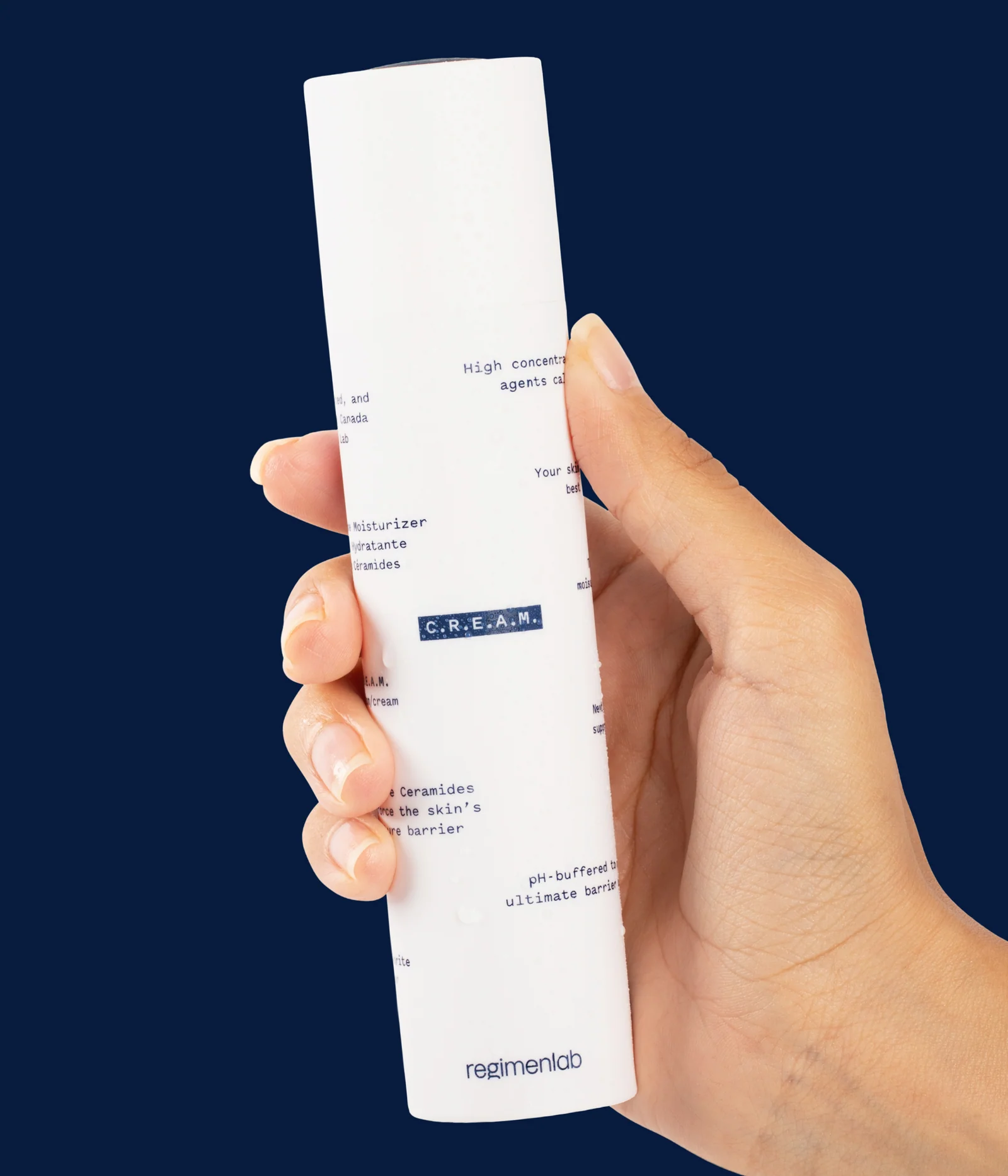
C.R.E.A.M. Barrier Repair Moisturizer
Regimen Lab is a Canadian indie brand that formulates in-house and discloses concentrations openly. Their C.R.E.A.M. moisturiser contains 2.5% pure ceramides, and they’re upfront about it.
They explicitly state this is “over 10x higher than the vast majority of ceramide moisturizers,” which, based on our analysis of the other products on this list, appears to be accurate. The formula also includes a 10-ingredient soothing complex and is self-preserving (no traditional preservatives).
The brand’s communication style is refreshingly direct. They publish percentages, explain why they chose specific concentrations, and reference the studies that informed their formulation decisions. This is what transparency looks like in practice.
The bottom line: The proof that full disclosure is possible and commercially viable. If a small indie brand can publish their percentages and still sell product, it raises the obvious question: why don’t the bigger brands do the same?
Brand 06
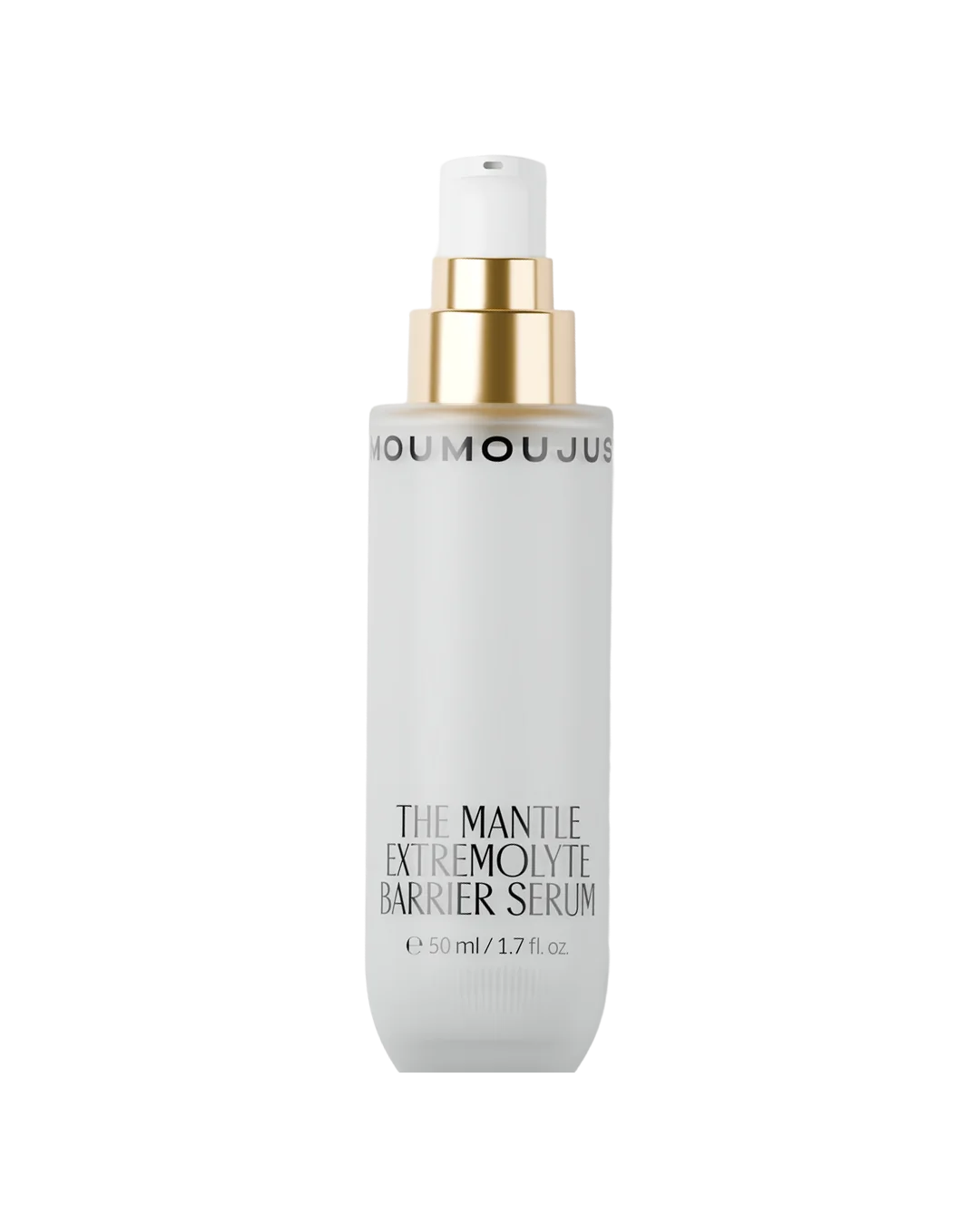
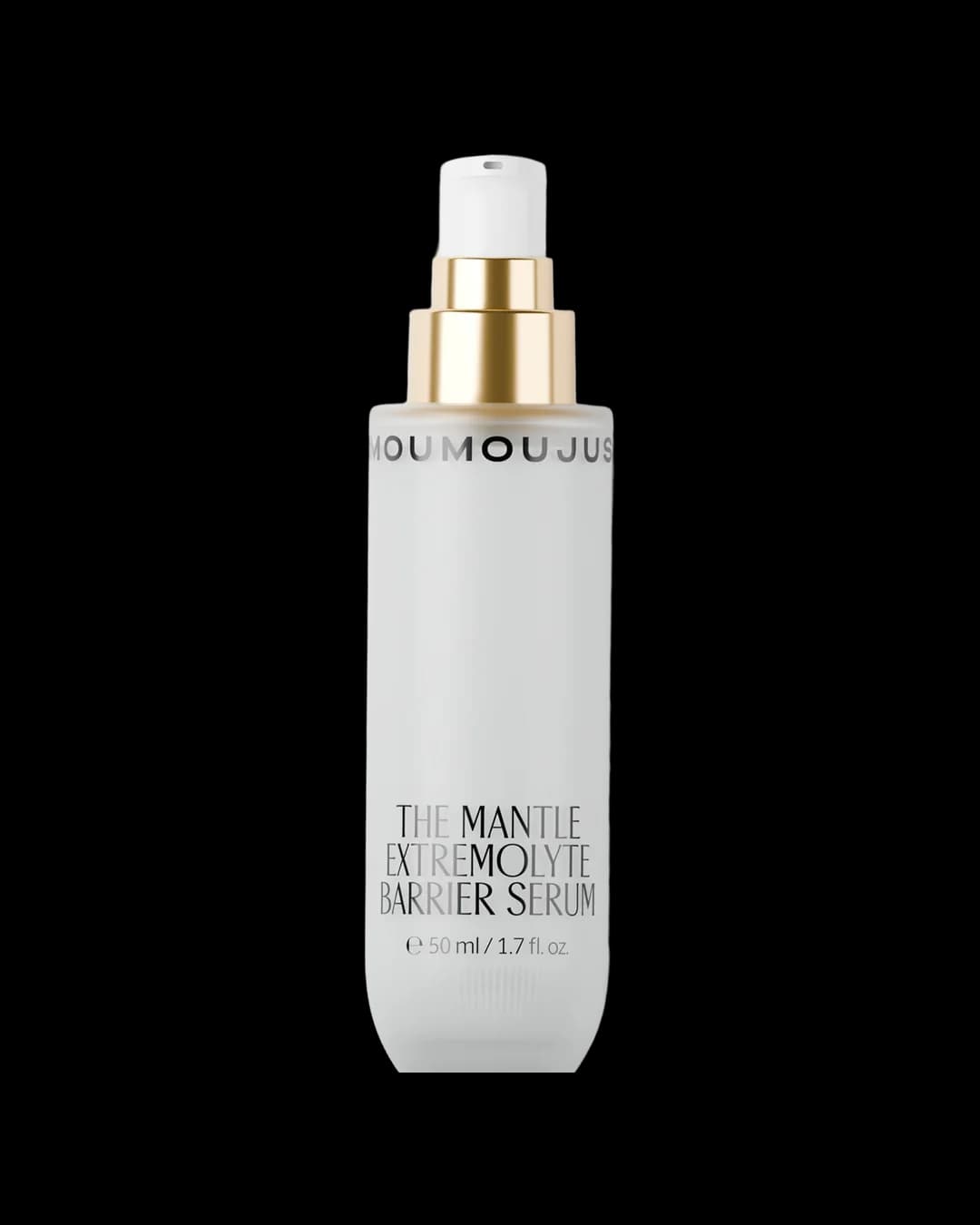
The Mantle Extremolyte Barrier Serum
Moumoujus is a Manchester-based independent brand. Its founder developed The Mantle over 18 months with cosmetic chemists, and the brand’s positioning is built around what it calls “precision skincare”: actives at doses that match published research, with the key percentages disclosed.
Here’s what’s in The Mantle, in full:
| Active | Ingredient | % |
|---|---|---|
| Ceramide Complex | SK-Influx® Evolve MB | 3.0% |
| Peptide | Matrixyl Morphomics | 2.0% |
| Stem Cell Technology | PhytoCellTec™ Malus Domestica | 2.0% |
| Extremolyte Protection | Ectoin | 1.5% |
Total disclosed active load: 8.5% · pH optimised to 5.2-5.4 to match the skin’s natural acid mantle
That 3% ceramide complex isn’t isolated ceramide fragments but rather SK-Influx Evolve MB, a multi-lamellar ceramide system that mimics the skin’s own lipid structure with ceramides, cholesterol, and fatty acids in the correct biological ratio. This matters because ceramides work best in combination with these co-lipids, not as standalone ingredients.
The 2% Matrixyl Morphomics is a next-generation peptide that targets dermal structure. Most brands using Matrixyl include it at 0.5% or less. The 2% Swiss apple stem cells and 1.5% Ectoin are similarly above the concentrations you’ll find in most products claiming to contain these ingredients.
The total active load of 8.5% is unusual. Most moisturisers, even expensive ones, contain 1-3% total actives, with the remaining 97-99% being water, emulsifiers, thickeners, and preservatives. The Mantle inverts that ratio as much as formulation chemistry allows.
The bottom line: This is what happens when a formulator builds a brand instead of a marketing team building a product. The key doses are published, not hidden. The higher price per ml reflects the genuine cost of using premium actives at doses that actually work.
So What Does This Tell Us?
The skincare industry has a transparency problem, and it’s not accidental. Keeping concentrations hidden benefits the brands that use less, while penalising the ones that use more. When everyone’s label says “contains ceramides” but nobody says how much, the brand spending 10x more on raw materials has no way to communicate that advantage.
This is why ingredient dusting persists. It’s not illegal. It’s not even technically dishonest. But it is designed to let you assume you’re getting more than you are.
The solution isn’t to stop buying skincare. It’s to start asking one simple question before every purchase:
How much? If a brand won’t tell you the percentage, ask yourself why.
Some brands, like Regimen Lab and Moumoujus, have shown that full transparency is possible, and that customers will pay for honesty. Others continue to rely on the fact that most people don’t know what questions to ask.
Now you do.
Ready to see the difference?
The Mantle is precision barrier repair. No dusting. No guessing. The key doses are published.
Shop The Mantle →Methodology: Concentrations cited in this article are drawn from brand-published data, clinical study footnotes, third-party ingredient analysis databases (including WhatsinMyJar/WIMJ and INCIDecoder), INCI list position analysis, and direct brand communications. Where exact concentrations are not available, we have stated this clearly. Estimated ranges are presented as estimates and clearly labelled.
Disclosure: This article is published by Moumoujus. We have included our own product alongside five other brands and have been transparent about our methodology and our position within this comparison. We encourage you to verify any claims made here independently.
References: Exponent Beauty independent lab study on active ingredient concentrations in top 25 clinical skincare products. EU Cosmetics Regulation 1223/2009 regarding ingredient labelling requirements. WIMJ (WhatsinMyJar) estimated concentration data for CeraVe Moisturizing Cream. The INKEY List product page clinical study footnotes (0.2% Ceramide NP vs placebo, P&K Clinical Trial Report).