
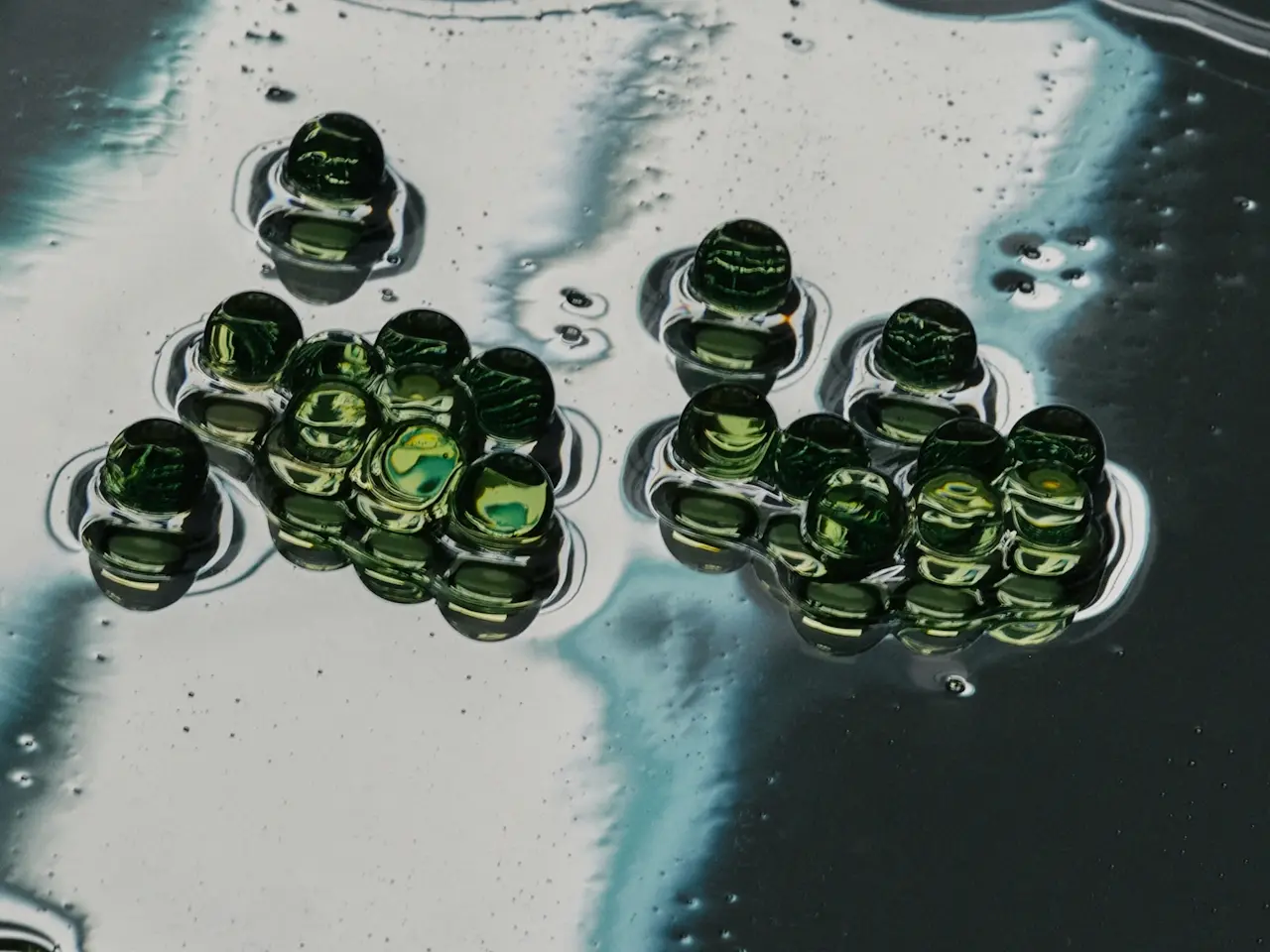
If you’ve been following skincare science in the last few years, you’ve likely encountered the word “exosomes,” usually accompanied by bold claims about regeneration, repair, and anti-ageing. Exosomes have become one of the most talked-about ingredients in advanced skincare, and for once, the excitement isn’t entirely unfounded.
But as with any emerging ingredient, the gap between what the science shows and what marketing departments claim can be significant. Here’s a clear-eyed look at what exosomes are, how they work in skincare, and where the research actually stands.
What Are Exosomes?
Exosomes are a type of extracellular vesicle: tiny, membrane-bound particles released by virtually every cell in the body. They range from roughly 30 to 150 nanometres in diameter, making them far too small to see under a standard microscope. To put that in perspective, a single human hair is about 70,000 nanometres wide.
First described in the 1980s, exosomes were initially dismissed as cellular waste, a mechanism for cells to discard unwanted proteins. It wasn’t until the early 2000s that researchers discovered their true function: exosomes are messenger particles. They carry bioactive cargo (proteins, lipids, growth factors, peptides, and even strands of RNA) from one cell to another, effectively allowing cells to communicate across distances.
The size range of exosomes, roughly 1,000 times smaller than a human cell. Their nanoscale size allows them to penetrate tissues and deliver signalling molecules directly to target cells.
How Exosomes Work: Cell-to-Cell Communication
The key to understanding exosomes in skincare is understanding their natural role in the body. When a cell produces exosomes, it packages specific molecules inside a lipid bilayer membrane, the same type of membrane that surrounds all human cells. These vesicles then travel through extracellular fluid, fuse with a recipient cell, and deliver their contents.
This isn’t random. Exosomes carry surface markers that guide them toward specific cell types, and their cargo is curated by the parent cell based on its current state. A stressed cell releases exosomes loaded with repair signals. A healthy cell releases exosomes that promote maintenance and homeostasis. This is fundamentally different from simply applying a growth factor or peptide topically because exosomes deliver multiple signals simultaneously, packaged in a format cells are already designed to receive.
Exosomes don’t just deliver one ingredient. They deliver a coordinated set of biological signals, including growth factors, peptides, and RNA, in a format cells are built to receive.
Research published in the Journal of Extracellular Vesicles has shown that exosomes play critical roles in wound healing, immune regulation, and tissue regeneration throughout the body. The question for skincare is whether these effects can be harnessed topically, and if so, which type of exosome matters.
Exosomes vs Stem Cells: A Key Distinction
Much of the early excitement around exosomes came from stem cell research. Scientists studying mesenchymal stem cells (MSCs), a type of cell known for tissue repair, discovered that many of the regenerative benefits attributed to stem cells were actually mediated by the exosomes those cells release, not by the stem cells themselves.
This distinction is critical for skincare. Whole stem cells cannot be used in topical cosmetics. They wouldn’t survive in a formula, they can’t penetrate the skin, and their use raises significant ethical and regulatory questions. Exosomes, however, are cell-free. They contain no living cells, no DNA that could integrate into the recipient’s genome, and no capacity to replicate. They are signalling vehicles only.
A 2019 study in Stem Cell Research & Therapy demonstrated that MSC-derived exosomes promoted fibroblast proliferation, increased collagen synthesis, and accelerated wound closure in controlled laboratory conditions, with effects comparable to those seen with whole stem cell treatments, but without the associated risks.
Types of Exosomes in Skincare
Not all exosomes in skincare products come from the same source, and the source matters. There are two broad categories currently used in cosmetic formulations.
Human-Derived Exosomes
These are typically harvested from human mesenchymal stem cells grown in laboratory culture. The stem cells are stimulated to produce exosomes, which are then isolated, purified, and incorporated into serums or treatments. Human-derived exosomes carry growth factors like TGF-β, VEGF, and PDGF that are bioidentical to those produced by the recipient’s own cells.
While the research on human-derived exosomes is compelling, particularly in clinical and aesthetic medicine settings, their use in over-the-counter skincare faces regulatory scrutiny in many markets. They also tend to be significantly more expensive to produce and standardise.
Plant-Derived and Ferment-Derived Exosomes
Plants, fungi, and fermentation cultures also produce extracellular vesicles that are structurally analogous to human exosomes. These vesicles carry bioactive compounds like antioxidants, polyphenols, lipids, and signalling peptides, all packaged in lipid membranes that can interact with human skin cells.
Research published in the Journal of Nanobiotechnology has shown that plant-derived exosome-like vesicles can reduce inflammation, promote antioxidant activity, and support cellular repair pathways when applied to human cell cultures. A 2021 study found that vesicles derived from fermentation cultures demonstrated measurable effects on skin cell proliferation and wound healing markers.
Unlike stem cell treatments, exosomes contain no living cells and no genomic DNA. Plant and ferment-derived exosomes offer a vegan-friendly, ethically uncomplicated source of these signalling vesicles.
What Exosomes Do for Skin
Based on the published research to date, exosomes in skincare show potential across four key areas. It’s worth noting that much of this evidence comes from in vitro (cell culture) and animal studies, and large-scale human clinical trials specific to topical cosmetic use are still limited. That said, the mechanisms are well-characterised.
1. Accelerated Skin Repair
Exosomes carry growth factors and signalling peptides that promote fibroblast migration and proliferation, the processes by which skin rebuilds itself after damage. Studies have shown exosome-treated wounds close faster and produce better-organised collagen networks than untreated controls.
2. Reduced Inflammation
Multiple studies have demonstrated that exosomes can modulate inflammatory responses by delivering anti-inflammatory cytokines and microRNA to immune cells. For skin prone to redness, sensitivity, or conditions like rosacea, this regulatory effect is particularly relevant.
3. Collagen Synthesis
Exosomes have been shown to upregulate the expression of type I and type III collagen in dermal fibroblasts. A 2020 study in Scientific Reports found that exosome-treated fibroblasts produced significantly more procollagen than control groups, with effects persisting for several days after a single treatment.
4. Barrier Support
Because exosomes are enclosed in lipid bilayer membranes similar to those found in the skin barrier, they can integrate with and reinforce the stratum corneum. Ferment-derived exosomes, in particular, carry ceramide precursors and fatty acids that complement the skin’s own barrier lipids.
The Research So Far: Promising but Early
Intellectual honesty requires acknowledging where the science stands. Exosome research in dermatology is genuinely exciting. The mechanistic data is strong, the in vitro evidence is consistent, and early clinical observations in aesthetic medicine (particularly post-procedure recovery) are encouraging.
However, large-scale, double-blind, placebo-controlled clinical trials specific to topical exosome products in healthy skin are still sparse. Most published studies use injectable exosome preparations or cell culture models. The translation from lab bench to finished cosmetic product, including questions of exosome stability in formulation, penetration through intact skin barrier, and dose-response relationships, is an area of active research.
The mechanism is sound. The early data is promising. But exosome skincare is still an emerging field, so choose products from brands that acknowledge this rather than those making definitive miracle claims.
What we can say with confidence is that exosome-like vesicles, particularly those derived from fermentation cultures, represent a biologically intelligent delivery system. Even setting aside the most ambitious regenerative claims, the ability to deliver multiple bioactive compounds in a membrane-enclosed, cell-compatible format is a meaningful advance over applying those same compounds as free molecules in a cream or serum.
How to Use Exosomes in Your Routine
Exosomes in topical skincare are typically delivered through serums and moisturisers designed for leave-on application. Like most signalling ingredients, they need sustained contact with the skin to be effective, so a rinse-off cleanser won’t cut it.
Because exosomes work through biological signalling rather than chemical activity (they don’t exfoliate, don’t increase photosensitivity, and don’t cause irritation), they are compatible with virtually every other active in your routine. They can be used morning and evening, alongside retinoids, vitamin C, acids, and peptides without contraindication.
When evaluating exosome skincare products, consider the source. Ferment-derived exosomes, produced through controlled fermentation of organisms like Saccharomyces, Xylinum, and black tea cultures, offer a vegan, sustainable, and ethically straightforward source of bioactive vesicles. They’re also more stable in formulation than human-derived alternatives, which require cold-chain storage and more complex preservation.
The Mantle by Moumoujus uses exosomes derived from saccharomyces, xylinum, and black tea ferment, a plant-based, vegan-friendly approach that delivers bioactive vesicles alongside ceramides, ectoin, and peptides at fully disclosed concentrations.
Exosomes are not a magic bullet. No single ingredient is. But they represent a genuinely novel approach to skincare, one rooted in cell biology rather than cosmetic chemistry convention. The most promising formulations pair exosomes with complementary actives like ceramides for barrier repair, peptides for structural support, and ectoin for environmental protection, creating a multi-layered approach to skin health.
As the research matures, exosomes are likely to become a standard part of evidence-based skincare. For now, the smart approach is to look for products that use them thoughtfully, disclose their sources, and don’t oversell what the science currently supports.
Exosomes, delivered intelligently
The Mantle pairs ferment-derived exosomes with ceramides, ectoin, and peptides, with 30+ active ingredients at fully disclosed concentrations. Fragrance-free, vegan, made in the UK.
Shop The Mantle →References: Théry C, Witwer KW, et al. (2018). Minimal information for studies of extracellular vesicles 2018 (MISEV2018). Journal of Extracellular Vesicles, 7(1), 1535750. · Ha DH, Kim HK, et al. (2020). Mesenchymal stem/stromal cell-derived exosomes for immunomodulatory therapeutics and skin regeneration. Cells, 9(5), 1157. · Hu L, Wang J, et al. (2019). Exosomes derived from human adipose mesenchymal stem cells accelerate cutaneous wound healing via optimizing the characteristics of fibroblasts. Scientific Reports, 9(1), 6529. · Dad HA, Gu TW, et al. (2021). Plant exosome-like nanovesicles: emerging therapeutics and drug delivery nanoplatforms. Molecular Therapy, 29(1), 13-31.
Disclosure: This article is published by Moumoujus. Our product, The Mantle, contains ferment-derived exosomes and is referenced in this piece. We have aimed to present the research accurately and encourage independent verification of all claims made.